
Sustainability has become a priority for many homeowners. Making eco-friendly upgrades not only helps the environment but can also reduce energy bills and improve overall comfort. Small changes, combined with long-term investments, create a home that is both sustainable and functional. By adopting sustainable practices, you can contribute to a healthier planet while enhancing your living space.
Energy-Efficient Appliances
Replacing old appliances with energy-efficient models is a simple yet impactful upgrade. Refrigerators, washing machines, and dishwashers now come with Energy Star ratings. These appliances consume less electricity, reduce utility costs, and have a smaller environmental footprint. Investing in energy-efficient devices is a practical way to lower energy consumption without sacrificing convenience.
Sustainable Insulation and Windows
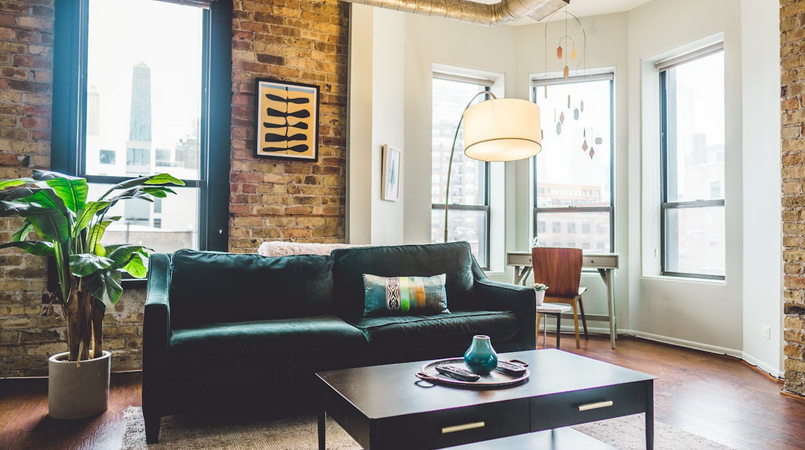
Proper insulation and energy-efficient windows keep your home comfortable while reducing energy consumption. Materials like recycled cellulose or spray foam insulation prevent heat loss in winter and keep interiors cool in summer. Double or triple-pane windows with low-emissivity coatings further improve energy efficiency. Together, these upgrades reduce the need for excessive heating or cooling.
Solar Panels and Renewable Energy
Solar panels are a popular choice for sustainable homes. They harness renewable energy from the sun, reducing reliance on fossil fuels. Installing solar panels can significantly lower electricity bills and even allow homeowners to sell excess energy back to the grid. Pairing solar energy with battery storage ensures your home remains powered during peak hours or outages.
Water Conservation Systems
Water is a precious resource, and conserving it is essential. Upgrading to low-flow faucets, showerheads, and dual-flush toilets reduces water usage. Rainwater harvesting systems can collect and store water for irrigation, while greywater recycling reuses water from sinks and showers. These systems help homeowners minimize waste and promote sustainable living.
Eco-Friendly Flooring and Materials
Choosing sustainable materials for flooring, countertops, and furniture can lower environmental impact. Bamboo, cork, and reclaimed wood are renewable options that combine durability with aesthetics. Non-toxic paints and finishes also ensure better indoor air quality. Selecting eco-friendly materials supports a healthier home and a more sustainable lifestyle.
Smart Home Technology

Smart home technology can enhance sustainability by optimizing energy use. Programmable thermostats, automated lighting, and smart power strips help reduce unnecessary electricity consumption. These systems provide control and insights into energy usage, allowing homeowners to make informed decisions. Technology can make energy savings effortless while maintaining comfort.
Green Landscape
Sustainable landscaping contributes to eco-friendly living outside the home. Planting native species reduces the need for excessive watering and maintenance. Xeriscaping, using drought-tolerant plants, minimizes water consumption. Additionally, incorporating trees and shrubs can provide natural cooling, reducing energy needs for air conditioning. Green landscaping benefits both the environment and your property.
Waste Reduction and Recycling
Reducing waste is an essential component of sustainable living. Implementing a recycling system for paper, plastics, and metals prevents unnecessary landfill waste. Composting organic matter provides nutrient-rich soil for gardens. Additionally, donating or repurposing old furniture, electronics, and materials reduces waste while supporting a circular economy.
Eco-friendly upgrades transform a home into a sustainable, efficient, and comfortable space. From energy-efficient appliances to smart technology, water conservation, and sustainable materials, each improvement contributes to a healthier environment. By combining these strategies, homeowners can reduce their ecological footprint, save money, and enjoy a more resilient home. Sustainability is not only practical. It creates a space that reflects care for the planet and future generations.